
From Ecolint to the World: A Conversation with Paul Lucas (CHA, 1995)
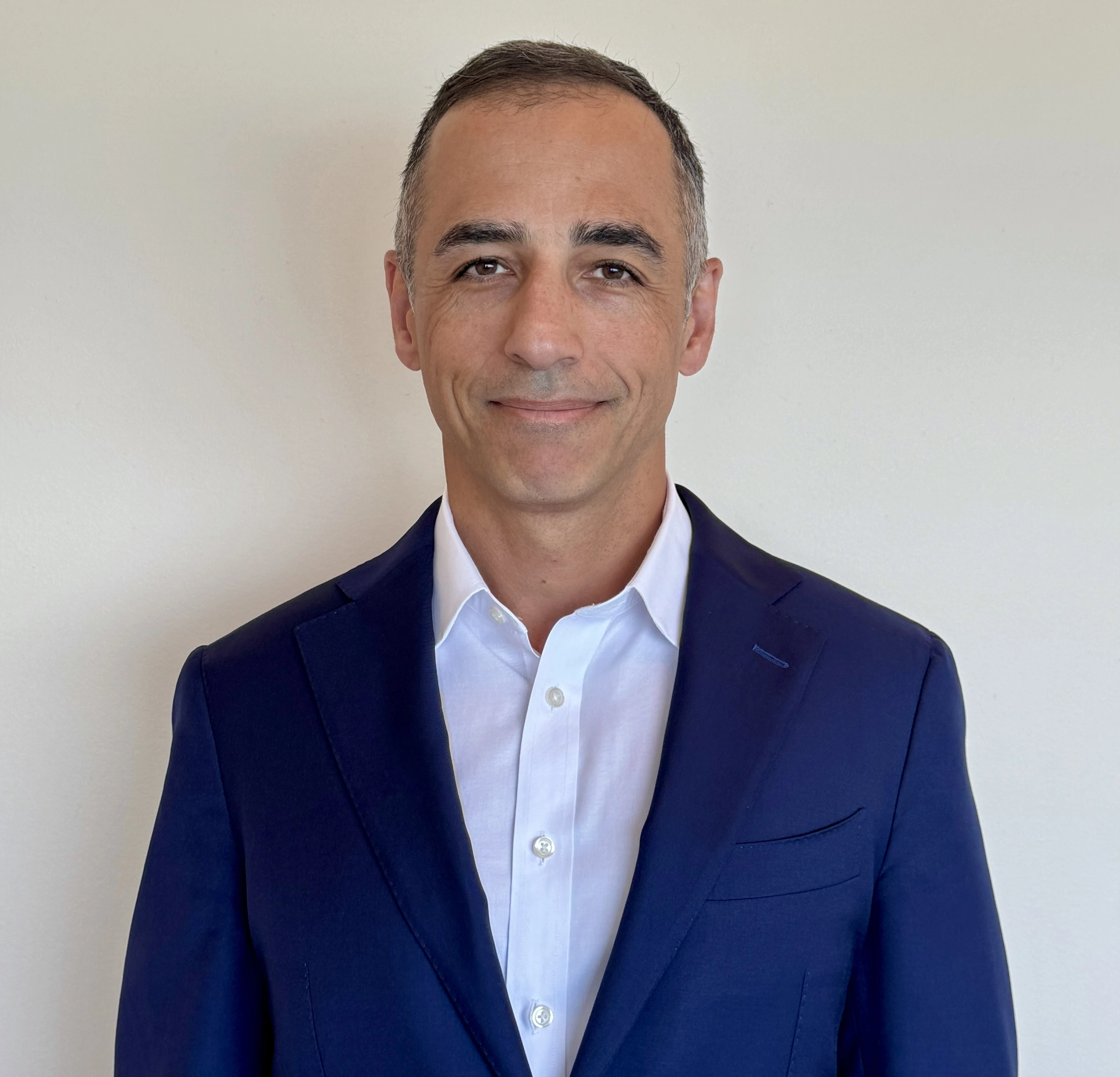 What happens when an Ecolint education meets a career spanning the World Bank, the United Nations and Deloitte? For Paul Lucas, the answer is a truly international journey shaped by curiosity, adaptability and a willingness to take on new challenges.
Paul left Ecolint in 1987 after attending both the Rigot and Pregny campuses, but his connection with the school community never ended. Over the years, he has stayed in touch with fellow alumni and even served as the Ecolint Alumni New York Chapter lead for a time.
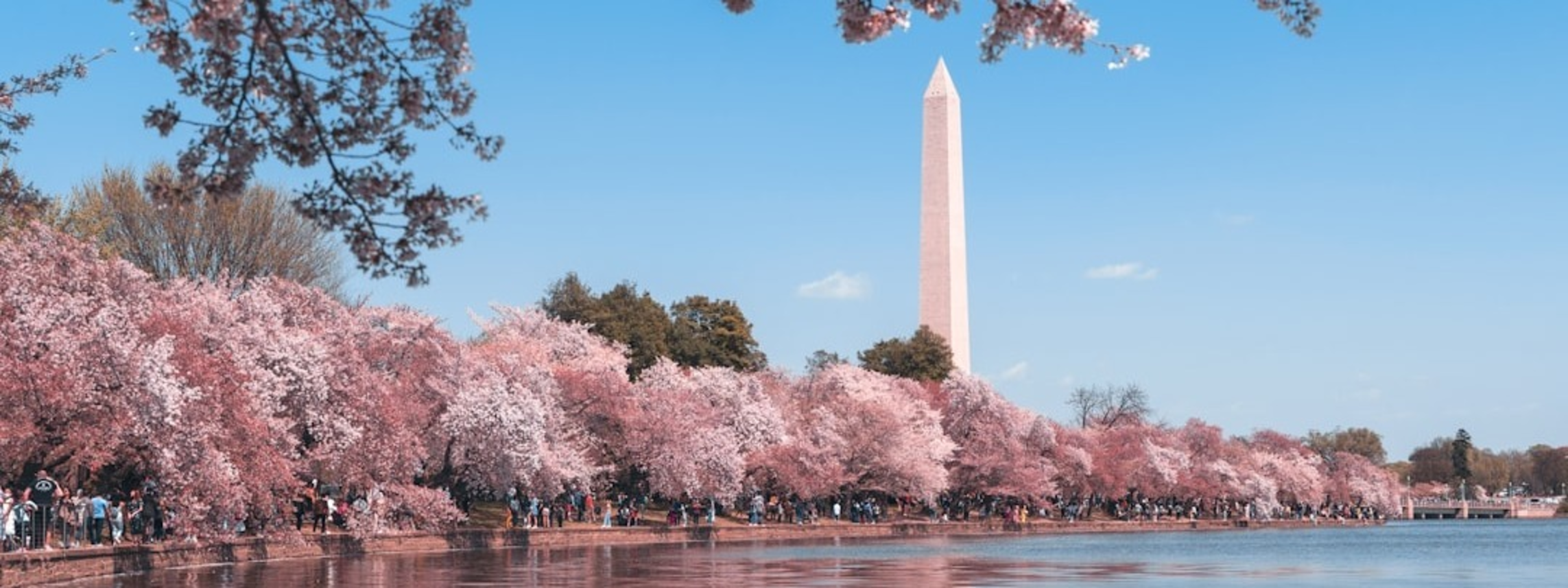
Today, based in the Washington, DC area, Paul draws on more than 25 years of international experience in governance, internal audit, investigations and risk. His career has taken him into senior leadership roles at the World Bank Group, the United Nations and Deloitte, where he has worked across countries, cultures and complex organisations. More recently, his interests have expanded into AI governance and responsible innovation.
We caught up with Paul to hear about the unexpected turns that shaped his career, what working in risk management is really like, and how his Ecolint experience prepared him for a life of international leadership.
When did you graduate from Ecolint, and which campus did you attend?
I attended both the Rigot and Pregny campuses and left Ecolint in 1987. I have stayed in touch with classmates and friends from Nations and La Châtaigneraie, and those friendships remain an important link to the Ecolint community.
Tell us a bit about your life today. Where do you live, and what do you do?
I live in the Washington, DC area with my family. I work internationally in governance, internal audit, investigations and risk, helping organisations strengthen accountability and make better decisions. My career has included leadership roles at the World Bank Group, the United Nations and Deloitte, and I am increasingly interested in AI governance and responsible innovation.
Looking back, was your career path planned, or did it evolve through unexpected opportunities?
It was not mapped out in advance. My career developed through opportunities to work in new countries, institutions and areas of responsibility. The common thread has been a willingness to take on meaningful challenges, keep learning and contribute where I felt I could make a difference.
You have worked in both international institutions and private companies. What have you found to be the biggest differences?
Private companies often have clearer commercial objectives and faster decision-making. International institutions operate in a more complex environment, balancing public accountability, multiple stakeholders and the interests of many countries. In both settings, strong leadership, sound judgment and the ability to turn ideas into results matter greatly.
You have lived and worked in different countries. How have those experiences shaped the way you lead and make decisions?
They have taught me not to assume that one approach will work everywhere. I try to listen carefully, seek different perspectives and understand the cultural and institutional context before making decisions. I remain clear about principles and outcomes, but flexible about how they are achieved.
Many people think risk management is about avoiding risks. Is that true, or is there more to it?
Risk management is not about saying “no.” It is about helping people make informed choices. Every worthwhile opportunity involves risk, and the aim is to understand it, manage it and proceed with a clear view of the trade-offs.
What is the biggest misconception about your profession?
That we are mainly there to find fault or stop things from happening. Good audit and risk professionals provide an independent perspective, ask difficult questions and help leaders see issues more clearly. The goal is not simply to identify problems, but to improve decisions and support the organisation’s mission.
With AI, cyber threats and geopolitical uncertainty changing the landscape, how is risk management evolving?
It is becoming faster, more connected and more forward-looking. AI, cyber and geopolitical risks can affect strategy, operations, people, data and reputation at the same time. Organisations need better information and monitoring, but also sound human judgment about how risks interact and how innovation can proceed responsibly.
What professional achievement are you most proud of?
I am most proud of the people and teams I have helped develop. I have had the opportunity to build international teams, mentor colleagues and introduce new approaches to audit, investigations and risk. Seeing people I worked with go on to lead and make their own contribution has been more rewarding than any single title or project.
Looking back at your time at Ecolint, what memories stand out most? Was there a teacher or mentor who had a lasting impact?
Mrs Kiriella, my fourth-grade teacher, had a lasting impact on me. I remember her warmth, encouragement and belief in her students. She helped give me a sense of confidence and curiosity that stayed with me long after I left her classroom.
How did your Ecolint education prepare you for an international career?
Ecolint made diversity feel normal from an early age. Learning alongside classmates from many countries and cultures taught me to listen, adapt and avoid assuming that my own perspective was the only one. That has been invaluable throughout my international career.
What advice would you give to young Ecolint alumni who are just starting their careers?
Stay curious and do not worry if your career is not fully mapped out. Build strong skills, find people you can learn from and treat others with respect, whatever their role or background. An international education is a real advantage when combined with humility, resilience and a willingness to keep learning.
Outside of work, what do you enjoy doing?
I enjoy spending time with my family, travelling, keeping active and following football, particularly my son’s team. I also value staying connected with friends from different stages of my life, including Ecolint classmates. These days, I increasingly appreciate family time, good conversation and discovering new places together.
Finally, what are you excited about for the future, professionally or personally?
Professionally, I am interested in how organisations can adapt responsibly to AI, new technology and a more uncertain world. Personally, I look forward to continuing to learn, travel and spend time with my family. I am also open to using my experience in new ways and to opportunities I may not yet have imagined.