

Ahmed Gilani, Campus des Nations 2023
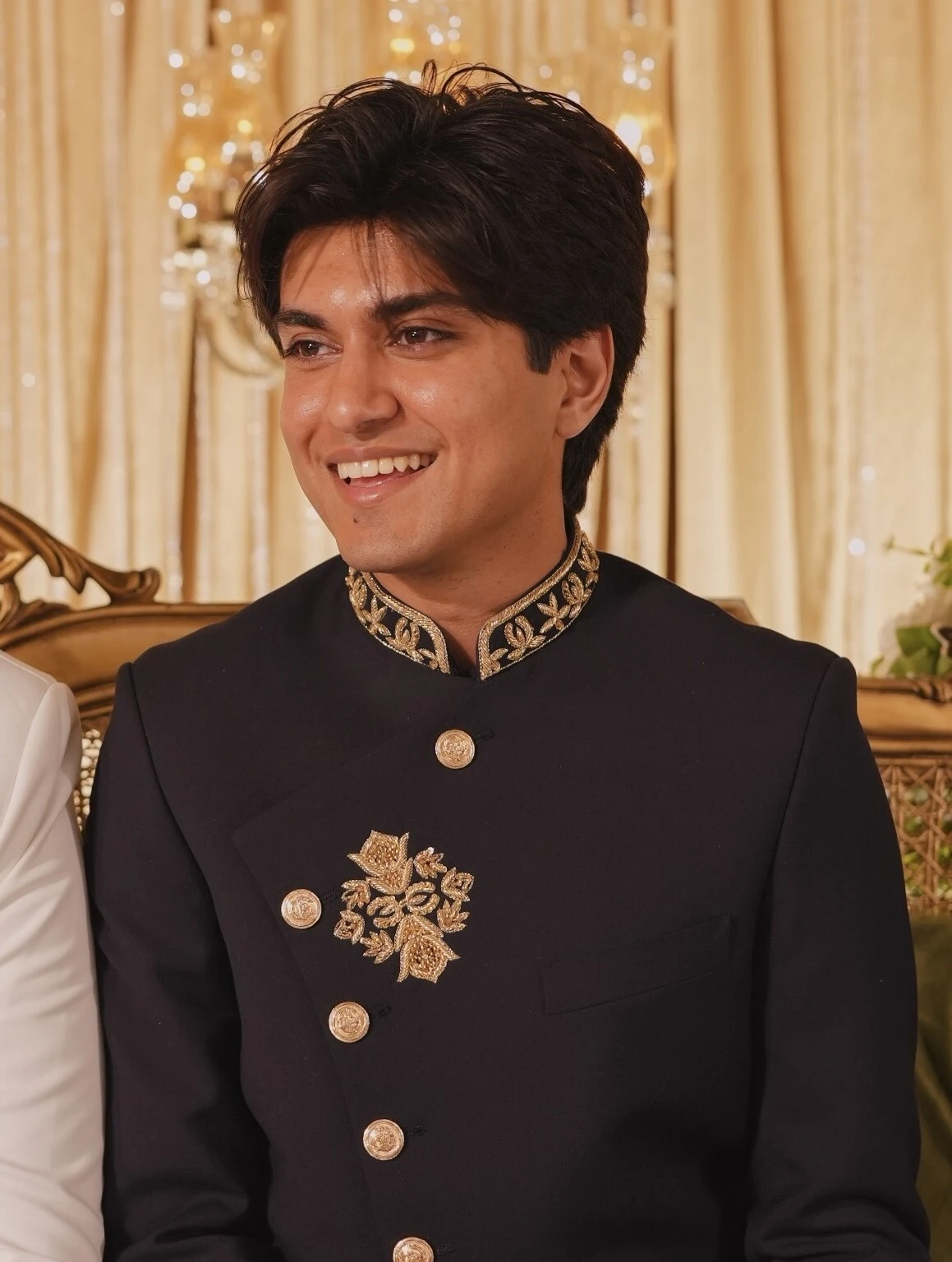 Ahmed Gilani
Campus des Nations 2023
First-class degree in Architectural Engineering at the University of Reading
Ecolint also instilled a genuine sense of responsibility, not just to do well for yourself, but to contribute to something larger. That mindset is something I carried into every leadership role I took on at university, and it is something I still carry now.
Where are you currently studying, and what course or program did you choose? Why did you choose it?
I studied Architectural Engineering at the University of Reading, graduating this July 2026 with a first-class degree. I chose it because I've always been drawn to the intersection of design and the built environment and how the spaces we create shape the way people live. During my final year, I received both a graduate project manager offer from Rider Levett Bucknall (RLB), a global property and construction consultancy, and an offer to study an MSc in Integrated Building Systems at ETH Zurich, which felt like a full-circle moment given that ETH wasn't within reach when I left Ecolint and was my dream university. I chose to take the RLB role and I'm joining their London office in September. Sometimes the right opportunity comes before you expect it.
What has been the highlight of your university experience so far, academically or socially?
Continuing to push myself outside of my comfort zone. Getting a first-class degree was deeply personal, but what I'm most proud of is everything around it. I became a student panel member, then a course representative, and eventually a senior representative for my department of School of Built Environment. Along with being a teaching assistant and student ambassador, I also became Vice President of the Construction Society and was a speaker on a panelist in Futurebuild 2026. None of those things came naturally at first. Each one required me to put myself forward when it would have been easier not to. That habit of stepping into discomfort is probably the thing I'll carry furthest.
What do you hope to achieve or explore during your university studies?
Looking back, university gave me things I didn't know I was looking for. I arrived wanting a degree. I left with confidence, a genuine sense of how to lead and a network of people who challenged and inspired me. I pushed myself into roles I wasn't sure I was ready for; course representative, student ambassador, module teaching assistant. senior representative, Vice President of the Construction Society, and each one taught me something about people, responsibility and what it means to show up for others. What I hope to carry forward from that is simple: to be someone who contributes. To build a career in the built environment that actually matters, to bring people along with me as I grow and one day to help shape the next generation of professionals in this industry the way my mentors shaped me. That feels like the real achievement.
What advice would you give to Ecolint students preparing to enter university?
Don't be afraid of the journey not looking the way you imagined. I had schools and pathways I thought were the goal, and life had other plans that turned out to be better. The IB may seem hard and sometimes Ecolint feels intense, but it is genuinely preparing you to excel in the future. Also, talk to people. Look to network and meet as many people as you can and challenge yourself to get out of your comfort zone. The international mindset you have built at Ecolint is rarer than you think, and it will open doors if you use it.
Are there any experiences or lessons from Ecolint that helped you adapt to or succeed at university?
Resilience, above everything. Between the IB workload, the diversity of people, and the standard expected of you, you learn very quickly how to handle pressure, adapt, and get back up. That muscle was already built by the time I arrived at university. But beyond resilience, Ecolint gave me the ability to communicate with anyone. Growing up in classrooms where thirty different nationalities are represented, you stop seeing difference as a barrier and start seeing it as an advantage. You learn to listen properly, find common ground quickly, and bring people together around a shared purpose. Ecolint also instilled a genuine sense of responsibility, not just to do well for yourself, but to contribute to something larger. That mindset is something I carried into every leadership role I took on at university, and it is something I still carry now.
If you had to summarize how Ecolint prepared you academically in one sentence, what would you say?
Ecolint didn't just teach me subjects, it taught me how to think critically, argue with evidence, collaborate with an open mind and approach every challenge with honesty.
Were there academic areas where you felt particularly well-prepared compared to classmates at university?
Critical thinking and adaptability. I was comfortable sitting with a difficult question and working through it rather than looking for a shortcut to the answer. I also noticed I could adjust quickly, to new environments, new people, new ways of working. A lot of that comes from spending years in a school where no two people have the same background. You develop a kind of intellectual flexibility that is hard to teach but very easy to see once you are in a room where some people have it and others don't.
Can you share an example of a teacher at Ecolint who challenged you academically and why?
Mr Kinghorn. He was my Higher Level History teacher, tutor, and extended essay mentor. He is one of the people I credit most with pushing me to be the best version of myself. He had a way of holding you to a standard that felt demanding in the moment but made complete sense in hindsight. I also want to mention Mr Shirley, Ms Hancock and Madame Doyle who were constant sources of support throughout my time at Ecolint, people I'm still in touch with today. Ecolint gave me teachers who genuinely cared and that's not something you take for granted.