
Utsav Bahl, NAT 2021
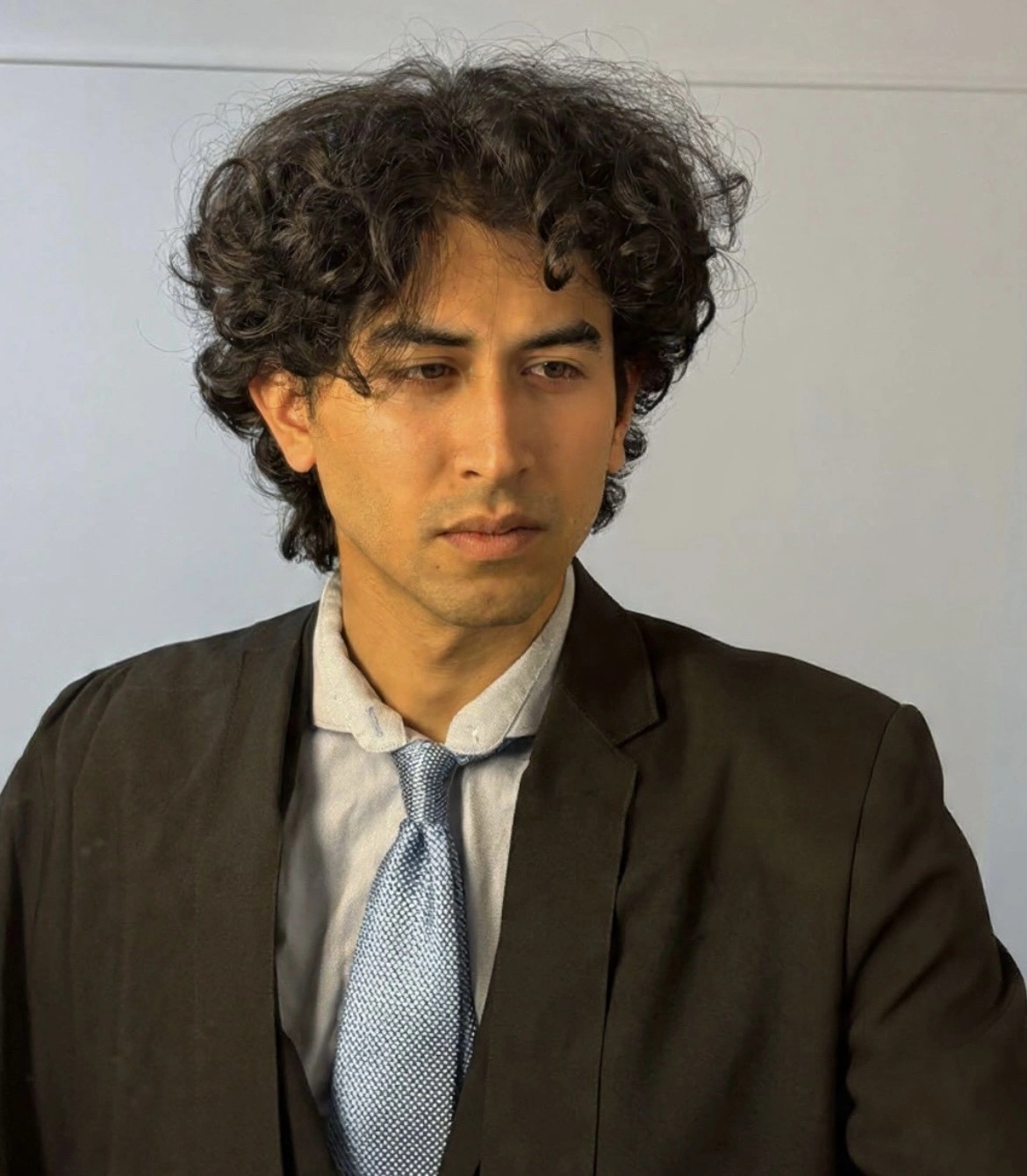 Utsav Bahl
Campus des Nations, 2021
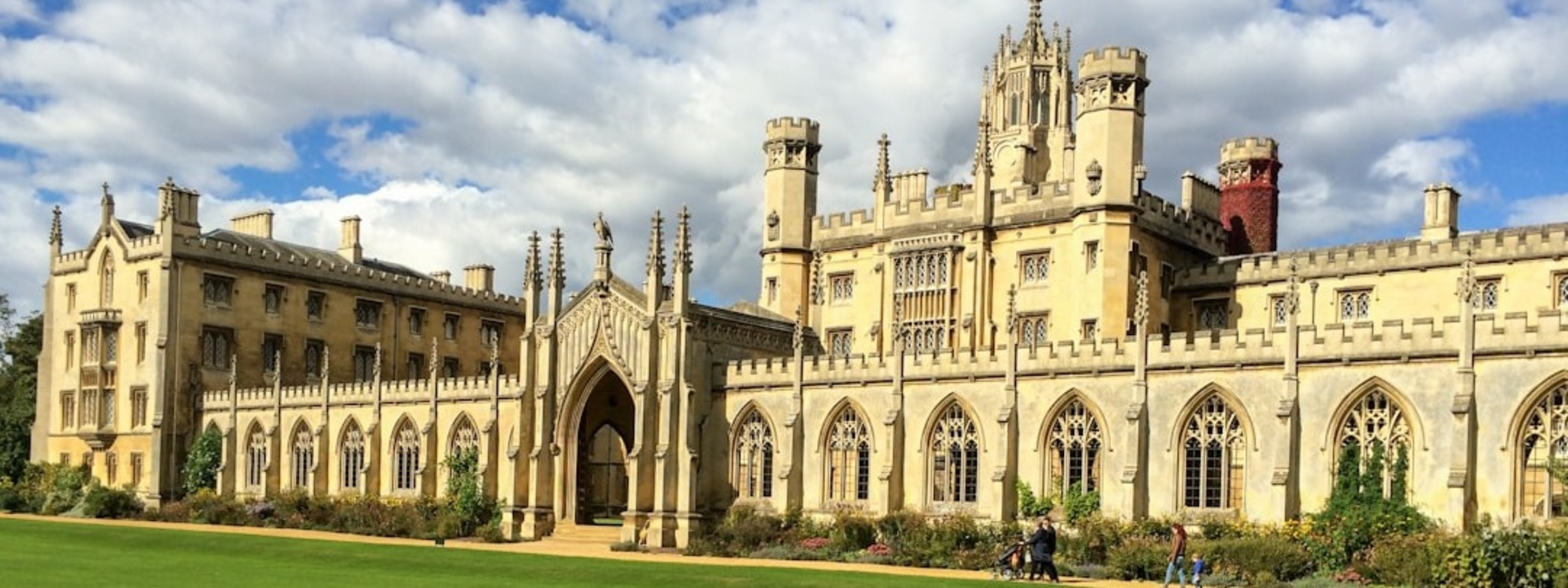
Master's degree in Economic Research at the University of Cambridge
UK
Where are you studying now, and what course have you chosen and why?
I am currently pursuing an MPhil in Economic Research at the University of Cambridge, which is the first year of the PhD track in Economics here. Before that, I studied Economics at Williams College in the US, and I graduated from Campus des Nations in 2021. Economics demands you to be a mathematician, a historian, and a philosopher all at once. It asks precise questions, but it also forces you to think about people, institutions, and how societies change over time. All the while, it does it in an empirical way which is hard to find in other social sciences. I have always been drawn to interdisciplinary ways of thinking, even back in my MYP days, so economics felt like a very natural fit for me.
What’s a highlight of your university experience so far academically or socially?
There have been quite a few. Socially, one of my favourite memories from Williams was travelling by car through California with friends, and I have also loved having friends visit me in Geneva over the years. At Cambridge, one especially memorable tradition has been High Table at college. It is essentially a formal dinner where you sit down with friends, fellows, and academics for a three-course meal, and then continue the evening over wine and cheese. The whole thing is very Harry Potter-esque: gowns, candlelight, Latin grace, and sometimes even owls.
What are you hoping to achieve (or already achieved) during your time at university?
I am hoping to continue on to the PhD in Economics at Cambridge, and ultimately to publish research. One thing I have already been very grateful for is the chance to get involved in research early. During my undergraduate degree, I worked with professors on their projects, developed my own research, and even had the opportunity to present at conferences in both the US and London. That experience made academia feel very tangible and helped me realize fast that I wanted to be a part of it. My main interests are in macroeconomics, especially firm dynamics, and more recently in ideas related to bounded rationality: how people and firms make decisions when the world is simply too complicated to process perfectly. It is a particularly exciting moment to be working in this area, because we are only now developing the tools to study some of these questions properly. Over the next few years, I hope to keep learning, keep collaborating, and (hopefully) contribute a few papers of my own. I would also say this to students starting university: professors are often much more approachable than they seem, and many are delighted when students take initiative. Reaching out early can open doors, and it is one of the best ways to find out whether research might be for you.
What advice would you give to students at Ecolint who will soon be heading off to university?
Take as many opportunities as you can find. Join the slightly quirky extracurricular. Introduce yourself to people you do not know yet. Some of the most important conversations you will have at university will happen entirely outside the classroom. University is a rare moment in life: you are surrounded by a bunch of people your age, all packed into the same place, with a lot of energy and a fair bit of time. You may never again have so much access to people, ideas, and possibility all at once, so make full use of it. At the same time, do not worry if there are moments when it all feels overwhelming. There probably will be many. Courses can be difficult, and homesickness or self-doubt have a way of appearing exactly when you least need them. My biggest piece of advice is not to let those moments shrink your sense of what is possible. My general advice for life is a saying: look up at the stars and not down at your feet.
Have any experiences or lessons from Ecolint helped you settle in or succeed at uni?
Many. If I had to choose one, I would say Ecolint taught me to be curious in a serious way: to ask where ideas come from, why the person sitting next to you in class sees the world differently, and what one discipline can learn from another. That habit has stayed with me. Ecolint banged on about terms like “critical thinking” and “interdisciplinary thinking,” and they can sound a little overused. But in practice, they matter enormously. University becomes much richer when you stop treating subjects, or people, as existing in separate boxes. Some of the most interesting ideas come from crossing those boundaries: from asking what we can borrow from different fields and different cultures. That openness helped me settle in, and it continues to shape me both academically and socially!