
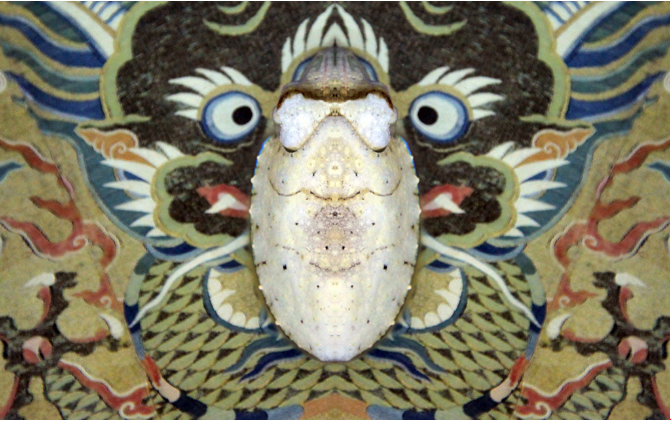
Meet Ryuta Nakajima and his ground-breaking research on cephalopods
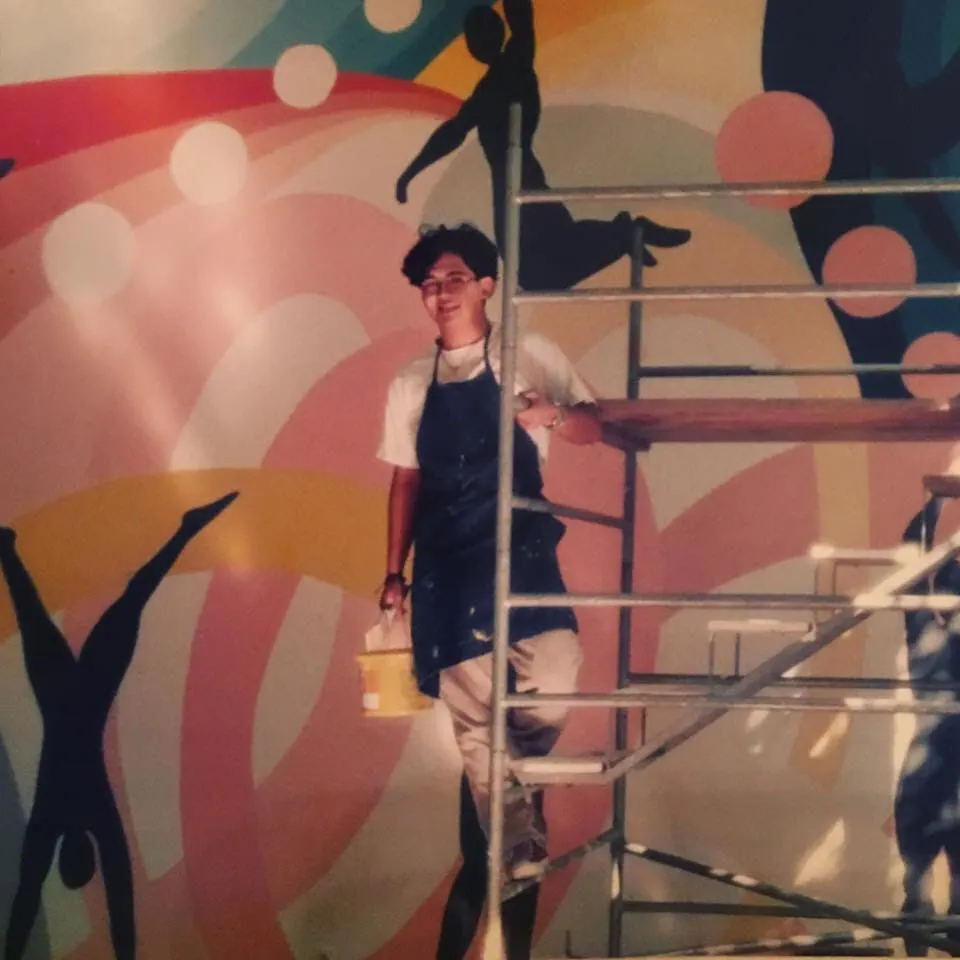
Ryuta Nakajima (LGB, 1991), a Japanese artist and scientist based in Minnesota, USA, explores the fascinating intersection of fine art and cephalopod (Octopus, cuttlefish, and squid) behavior, revealing parallels between artistic endeavors and the intricate body patterns of these mysterious creatures. The revolutionary aspect is that these animals use their body patterns to camouflage for defense and communicate with each other, creating an ecologically complex social dynamic that humans can perceive and study.
Concerning the social setting and communication, Ryuta reflects on his experiences at Ecolint, where diverse languages intersected, emphasizing the variety of daily nonverbal communication strategies. This experience led to his interest in human communication through art and the non-linguistic communication of animals via science. He compared cephalopod camouflage behavior to artists’ work, such as paintings; they perceive, analyze, and replicate their surrounding’s visual information to represent a model. Ryuta scientifically evaluated the behavior by exposing cuttlefish to classic artworks by artists such as Pablo Picasso and Jackson Pollock, demonstrating an enthralling insight into cephalopod adaptation patterns.
Did you know there are only about 300 researchers in the field of cephalopod science worldwide? This is because cephalopods live in diverse marine environments, including deep sea and open sea, making them hard to access in the wild. In addition, keeping cephalopods in captivity is very difficult and costly, making them challenging model animals for scientific inquiry. Ryuta and his team at the Okinawa Institute of Science and Technology Graduate University in Japan are among the few people who studied the groundbreaking research on the correlation between our use of images and how cephalopods’ cognitive capacity interprets complex visual information. By establishing a commonality in the cognitive processes of the two, Ryuta hopes to create a more enhanced visual communication system. You should not damage the marine environment. More such fascinating topics might be found deep beneath the sea.
Another genuinely astonishing behavioral trait of cephalopods is their natural curiosity to interact with their environment constantly. If one dares to dive deeper into their daily interactions, he may find a surprising array of personalities: some are shy, some are playful, and some are bold. Some octopus species even go on a hunting trip with fish to help each other harvest more food, like in a movie. Ryuta believes that there is a possibility of recovering the ability to comprehend and communicate with other species, revealing a shared language that has been dormant inside us for generations but that we have ignored owing to modernity and technology.
Ryuta Nakajima is deeply committed to his work, but, as with any subject or topic these days, he is deeply concerned about climate change, which affects not only the well-being of cephalopods but also the broader impact on our planet. He provides a simple yet profound example to demonstrate this point. In Okinawa, his team has been collecting squid eggs from various locations on the island for over a decade. Although the island was traditionally rich in squid populations, rising sea temperatures, acidification, pollution, over-tourism, and other anthropogenic impacts on the ocean have caused a shift in spawning patterns, numbers, and locations over the last few years, implying a much larger shift in the marine environment. In addition, with over four decades of diving experience, Ryuta has observed a huge decline in the coral reefs around Okinawa, which devastated biodiversity and density. In 2015, he launched a coral reef conservation project, “Okinawa Seaside Laboratory”, focusing on local outreach and collaborative efforts to protect the coral reef through art and science.
Despite these disheartening changes, Ryuta remains optimistic. He recognizes human beings' remarkable adaptability—adaptability that allows us to face change, innovate, and address new challenges as they arise. However, he also stresses the importance of change in philosophy and consciousness. While science and technology can provide superficial solutions to problems, they are not equipped, in most cases, to transform the cause of the problem, which is how we think, our priorities, and what constitutes our happiness. Without this fundamental revaluation of our philosophical values, this adaptability will generate both solutions and problems, and these new problems will continue to fall onto future generations. Creating a sustainable future is a complex interplay between human adaptability and the changing environmental landscape.
Returning to Ecolint, it followed him not only in terms of comprehending the social dynamics of cephalopods but also in his “research” colleagues. While researching at the Okinawa Institute of Science and Technology in Japan, he met another alumna, Daria Gavriochkina (LGB, 2001). Despite their distinct areas of expertise, Ryuta concentrated on neuroscience and the behavior of cephalopods, while Daria investigated cephalopod genomics. The pair exchanged dynamically, with frequent interactions between team members. Sampling expeditions at sea and information sharing became routine, fostering camaraderie among the researchers while also forging a strong friendship. Mr. Eric Anthony, whom Ryuta and Daria learned chemistry from, may have something to do with this friendship.
Ecolint is part of his life, and he remembers and appreciates, even more, the time passed here, now. Ryuta's journey through fine art and cephalopod research is deeply linked to his formative years at Ecolint, which influenced his research and shaped his character and worldview. A memorable anecdote involves a mural he created in the old gym, a testament to his artistic development influenced by Mrs. Jorgensen, his first art teacher at Ecolint. He describes Ecolint as a “special place” where he not only had a “great time”, but also found a supportive community that continues today. Reflecting on the international mix of people, he emphasized the nurturing environment that goes beyond academic learning, adding that the camaraderie among students engaging in everything from sports, rock concerts at the cafeteria, late-night hangouts, back gate, mega-parties at Josh’s, all of these activities fostered connections across grade levels that, after graduation, transcend borders. One thing did not change as in every alumni narrative, Ecolint is not just an educational institution but a crucible of experiences that leave an indelible mark on the character and artistic pursuits.